Thinking about selling your Redwood City home, but not sure where to start? In a competitive Peninsula market, small choices can change how fast you sell and how much you net. With a focused plan, you can reduce stress, avoid last‑minute surprises, and present a home that buyers remember. This guide gives you a practical, ROI‑first roadmap tailored to Redwood City, from pre‑listing checks to staging, permits, timelines, and disclosures. Let’s dive in.
Redwood City market today
Redwood City remains generally competitive, with some segments moving quickly and others taking a bit more strategy. Pricing discipline, clean presentation, and small repairs can materially affect days on market and buyer interest. Portal snapshots often differ by method and timing, which is why you should anchor your plan to a current CMA and the local MLS for your specific property.
One more local factor to plan for is flood risk. Many Redwood City addresses show elevated flood exposure in third‑party mapping tools. Accurate Natural Hazard Disclosure work matters, and you should talk with your agent and insurance professional about how to address risk and documentation in your listing.
Start with a pre‑listing check
A short, proactive inspection reduces surprises and gives you control over repairs, disclosure language, and timing. Ordering a general home inspection, and when appropriate a structural‑pest report or sewer scope, can lower the chance of post‑offer renegotiations later. A modest upfront spend is often a cost‑effective risk‑reduction step for sellers, as explained in this overview of inspection value for buyers and sellers (how pre‑listing inspections reduce risk).
What inspectors often find
- Water intrusion or drainage issues around grading, gutters, and downspouts.
- Roof wear, missing flashing, or signs of leaks.
- Electrical hazards such as outdated panels or missing GFCIs.
- Plumbing aging, slow drains, or sewer‑line concerns in older areas.
- HVAC servicing needs and water‑heater age or condition.
- Termite or other wood‑destroying organism evidence, which often requires a separate structural‑pest report. For a helpful primer, see a local inspector’s list of common home defects.
Pull permits and records early
Contact the City to confirm permit history for past work and to understand current requirements. Redwood City notes that finish work like painting or many flooring jobs is often permit‑exempt, while structural, electrical, plumbing, HVAC, ADUs, or major alterations are not. Plan review timelines can be meaningful, sometimes 6 to 24 weeks depending on scope, so build that into your calendar. See the City’s Building FAQs and permit guidance for details.
Choose upgrades that pay
When you are selling, exterior and low‑to‑medium cost refreshes typically recoup more of their cost than large, discretionary remodels. Zonda’s 2025 Cost vs. Value report confirms exterior replacements lead ROI nationally, and the Pacific region often outperforms those averages. Use these national top performers as a compass when prioritizing your budget:
- Garage door replacement: about 267.7% of cost recouped.
- Steel entry door: about 216.4% recouped.
- Manufactured stone veneer: about 207.9% recouped.
- Fiber‑cement siding: about 113.7% recouped.
- Minor kitchen remodel: about 112.9% recouped. Review the 2025 findings here: Cost vs. Value report highlights.
A “minor” kitchen refresh, such as refacing or painting cabinets, updating counters and backsplash, and swapping fixtures and lighting, often produces a stronger percentage return than a full gut remodel when you are selling soon. If you are considering a major redesign with luxury finishes, weigh the personal‑use benefit against a typically lower percentage of cost recovered at resale.
A simple decision framework
If you want the fastest sale with minimal spend (about 0 to 2k):
- Deep clean, declutter, and add neutral touch‑up paint in key rooms.
- Tidy landscaping and entry, fix simple safety items like loose steps or handrails.
- Order a pre‑listing inspection and disclose findings early. NAR data shows decluttering, cleaning, and curb appeal are common agent recommendations and help reduce time on market. See the NAR staging summary.
If you want measurable price lift with modest spend (about 2k to 20k):
- Target high‑ROI exterior items such as a new garage or steel entry door if worn.
- Complete a minor kitchen refresh and replace a few high‑wear flooring areas.
- Professionally stage key rooms for stronger online photos and showings. The Cost vs. Value findings support this approach.
If you plan to hold long‑term or reposition the home (20k+):
- Consider larger remodels only if design choices align with local comps and buyer expectations.
- In many near‑term sales, a targeted refresh plus solid staging outperforms highly personalized upgrades.
- Validate plans against a current CMA before you commit major budget.
Budget and timeline tips in the Bay Area
Bay Area labor and materials often run higher than national averages, so get local bids before you finalize budgets. As a rough frame, national guides place multi‑room interior repainting in the low‑thousands for typical homes, while larger or higher‑finish projects cost more. For context, review a national interior painting price guide, then request local quotes.
A minor kitchen refresh commonly takes about 4 to 6 weeks depending on material lead times and scope, with job costs in the upper‑$20k range nationally per the 2025 Cost vs. Value data. Expect higher Bay Area costs and plan a realistic schedule. For timeline planning, see this kitchen remodel timing reference and the Cost vs. Value report overview.
Staging is often money well spent. NAR’s 2025 survey found many agents reported staging reduced time on market, and some saw a 1 to 10 percent uplift in offers. Median reported staging costs were about 1,500 dollars for a professional service and about 500 dollars when an agent staged personally. Review the NAR 2025 Profile of Home Staging for details.
Stage and market to today’s buyers
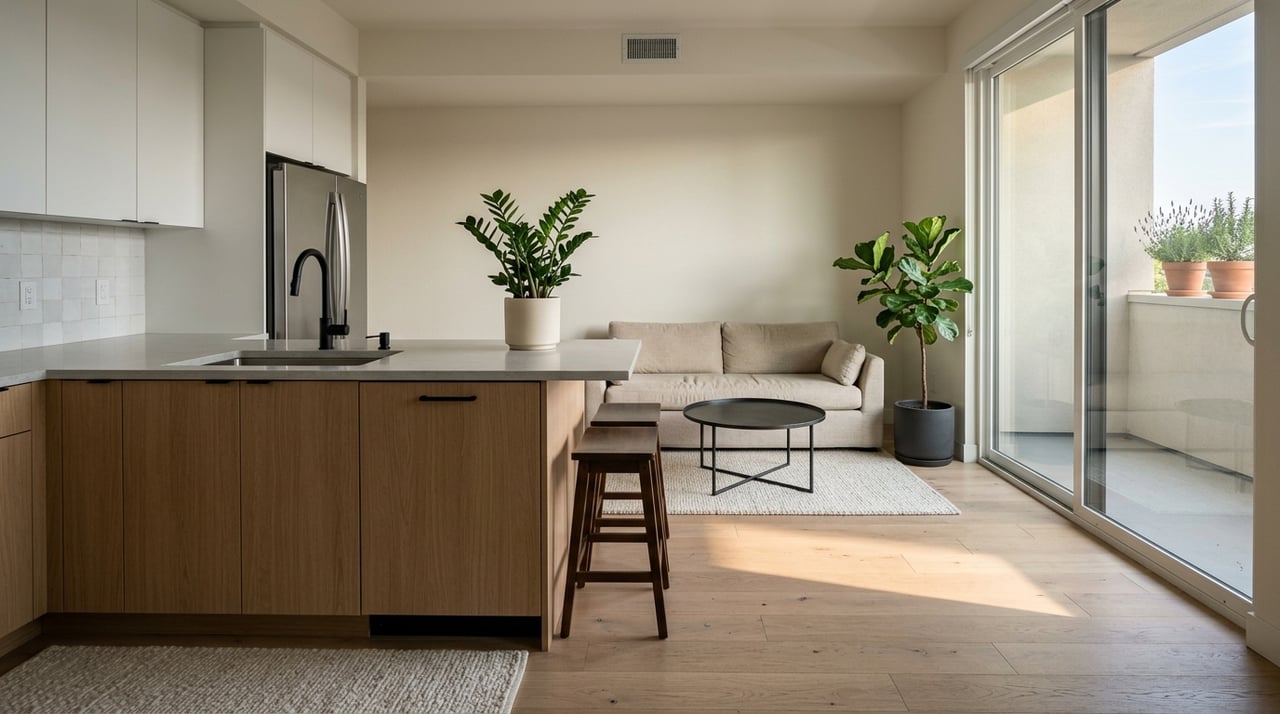
Prioritize the rooms buyers focus on first. Per NAR, the living room, primary bedroom, and kitchen are the top staging priorities and the most likely to influence buyer perception. High‑quality photos and a virtual tour expand your reach and increase online engagement once the home is decluttered and staged.
Use this quick checklist:
- Declutter and remove personal photos to help buyers picture themselves in the space.
- Refresh with light, neutral paint where needed and replace burnt‑out bulbs.
- Maximize natural light, clean windows, and add simple, fresh textiles.
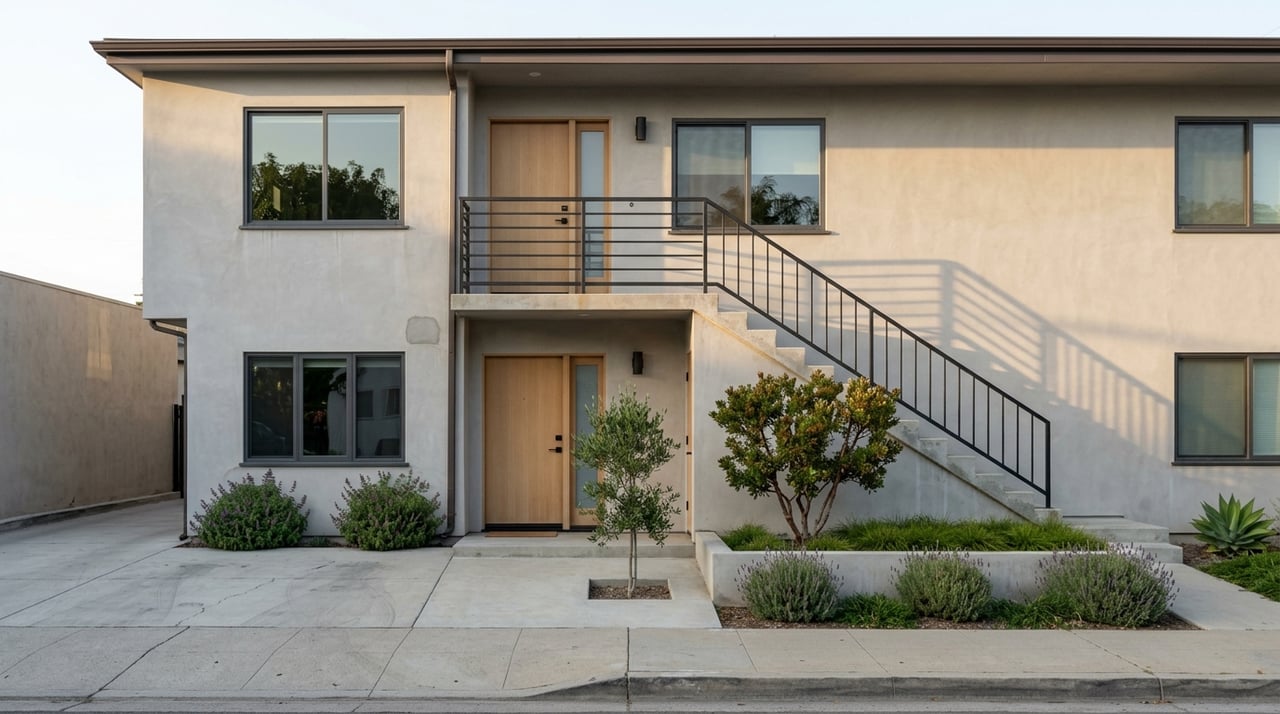
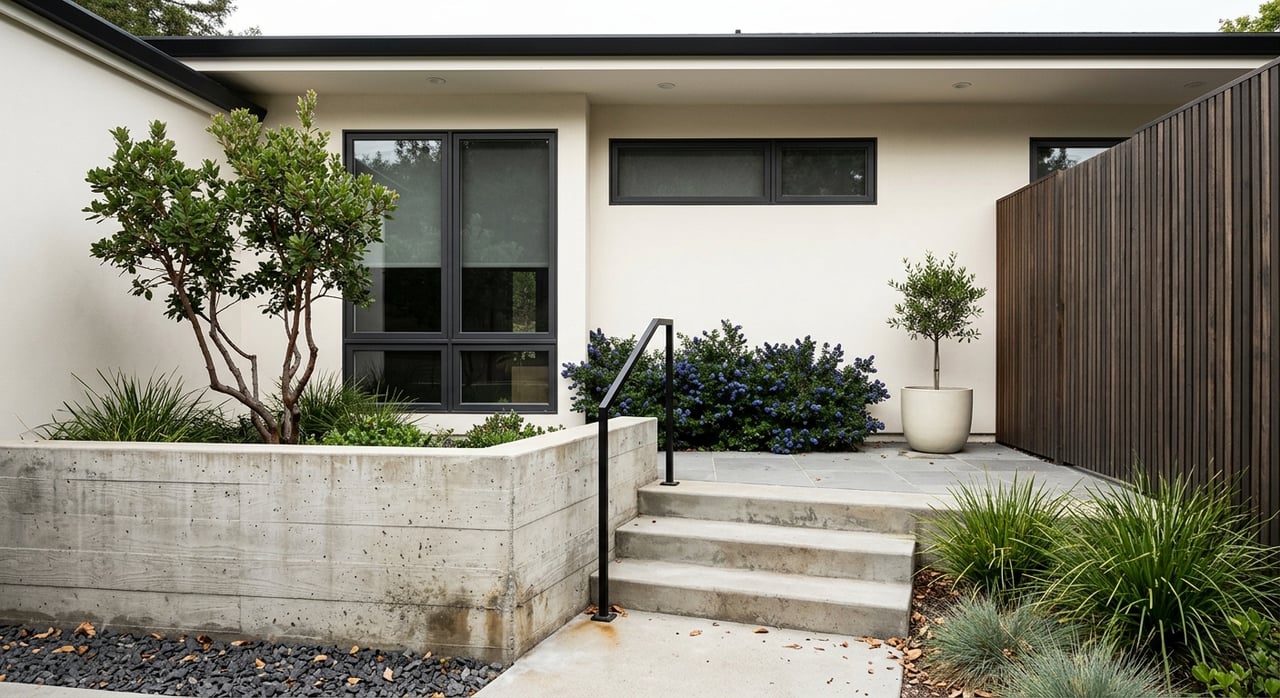
- Tidy the entry, level pavers, and add a clean doormat and trimmed landscaping.
- Stage key rooms with edit‑down furniture and balanced accessories.
A practical two‑to‑six week plan
- Pricing strategy and CMA with your agent: day 0.
- Pre‑listing inspection(s): 1 to 2 weeks to schedule; reports in 1 to 7 days.
- Decide what to address now: safety items, permit‑required repairs, and cosmetic refreshes.
- If permits are required, submit plans early. Redwood City notes plan‑review windows can add weeks. Build this into your listing timeline. Reference the City’s permit FAQs.
- Staging and photography: schedule immediately after work completes. Aim to go live within days in a competitive market.
Time estimates to keep you on track:
- Deep clean, declutter, and touch‑ups: about 1 to 2 weeks.
- Interior repainting of target rooms or full home: about 1 to 2 weeks depending on crew size. Review this painting guide.
- Minor kitchen refresh: about 4 to 6 weeks, subject to material lead times. See this timeline reference.
- Moderate, permit‑required work: about 6 to 12+ weeks plus City plan review.
Vendor coordination tips:
- Get 2 to 3 written bids for any job over 2,000 dollars and verify license and insurance.
- Ask each contractor for a clear schedule with milestones and inspection dates.
- If permits are needed, confirm review timelines with the City and align contractor schedules.
- Keep all receipts, permits, and warranties for your disclosure packet and escrow.
Legal and disclosure basics in California
Most sales of 1 to 4 residential units require a Transfer Disclosure Statement (TDS) and a Natural Hazard Disclosure (NHD). There are timing rules, including a buyer rescission window if disclosures arrive after an accepted offer. For a plain‑English summary, review California’s guidance on disclosures in real property transactions and consult your broker or attorney for specifics.
Structural‑pest control reports are not automatically required on every sale, but contracts and lenders sometimes call for them. If termites or wood‑destroying organisms have been an issue at your property or in the neighborhood, consider ordering a report early and include it in the disclosure package. The same California guidance covers how these reports fit into your file.
Unpermitted work is a frequent escrow issue. Redwood City notes that legalizing unpermitted work can require plans, permits, and sometimes opening walls to verify code compliance, which can delay closings. Review the City’s building FAQs and talk with your agent if you suspect past work lacked permits.
If you recently purchased and are reselling within a short window, be aware that California adopted additional disclosure rules for certain recent resales. For context on AB 968 and related policy, see this overview of the new disclosure requirements for recent resales. Always seek advice from your broker or a licensed attorney for legal questions.
Stress reducers that work
- Build calendar buffers. City reviews and permits can add several weeks, so start early.
- Keep documentation organized. Inspection reports, permits, receipts, and warranties help buyers and speed closing.
- Be transparent on disclosures. Early, accurate disclosures reduce renegotiation risk and help your sale stay on track. Review California’s disclosure summary if you want a quick refresher.
Why partner with Vision Real Estate
You deserve a calm, data‑driven plan and a quarterback who handles details. Our boutique team brings deep Peninsula expertise, renovation and financing know‑how, and a solutions‑oriented approach built over decades. We will help you price with precision, sequence the right refreshes, coordinate trusted pros, and present your home at its best for the shortest path to strong offers.
Ready to plan your sale or want a pricing read on your home? Connect with Vision Real Estate for a free property valuation and a step‑by‑step pre‑sale plan tailored to your goals.
FAQs
How long does it take to prepare a Redwood City home to sell?
- Most light prep plans run 2 to 6 weeks for cleaning, paint, small fixes, staging, and photos, while permit‑required work can extend 6 to 12+ weeks plus City review time.
What are the most cost‑effective upgrades before listing in Redwood City?
- Focus on curb appeal and minor interior refreshes; nationally, items like a new garage door, steel entry door, manufactured stone veneer, and a minor kitchen remodel top ROI rankings per the 2025 Cost vs. Value report.
Do I need permits for pre‑sale work in Redwood City?
- Many cosmetic jobs like painting do not require permits, but structural, electrical, plumbing, HVAC, ADUs, and major alterations do; check the City’s building FAQs and plan for possible 6 to 24 week reviews.
Should I stage my Redwood City home if it is occupied?
- Yes, even partial staging in key rooms helps; NAR reports staging often reduces time on market and can increase offers by 1 to 10 percent, with median professional costs around 1,500 dollars (NAR 2025 staging report).
How do flood risks in Redwood City affect my sale?
- Elevated flood risk can influence insurance costs and buyer perception; work with your agent on accurate Natural Hazard Disclosures and talk with an insurance professional about coverage options and documentation.