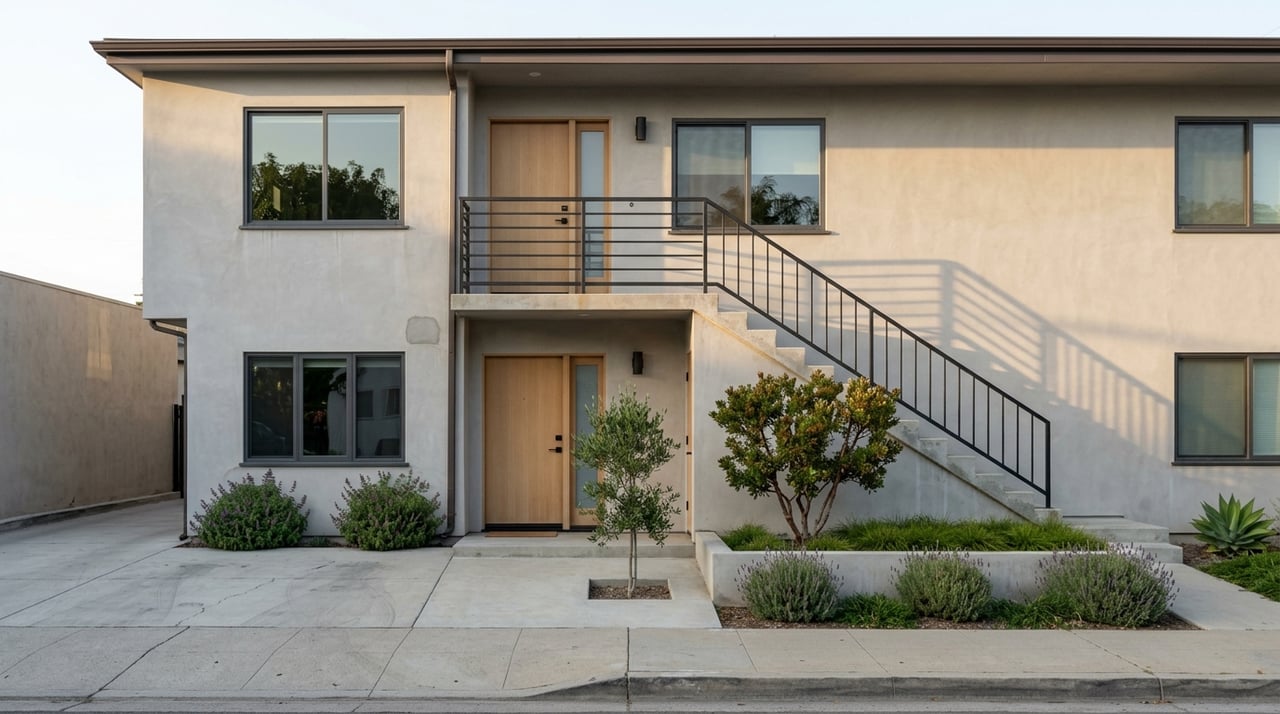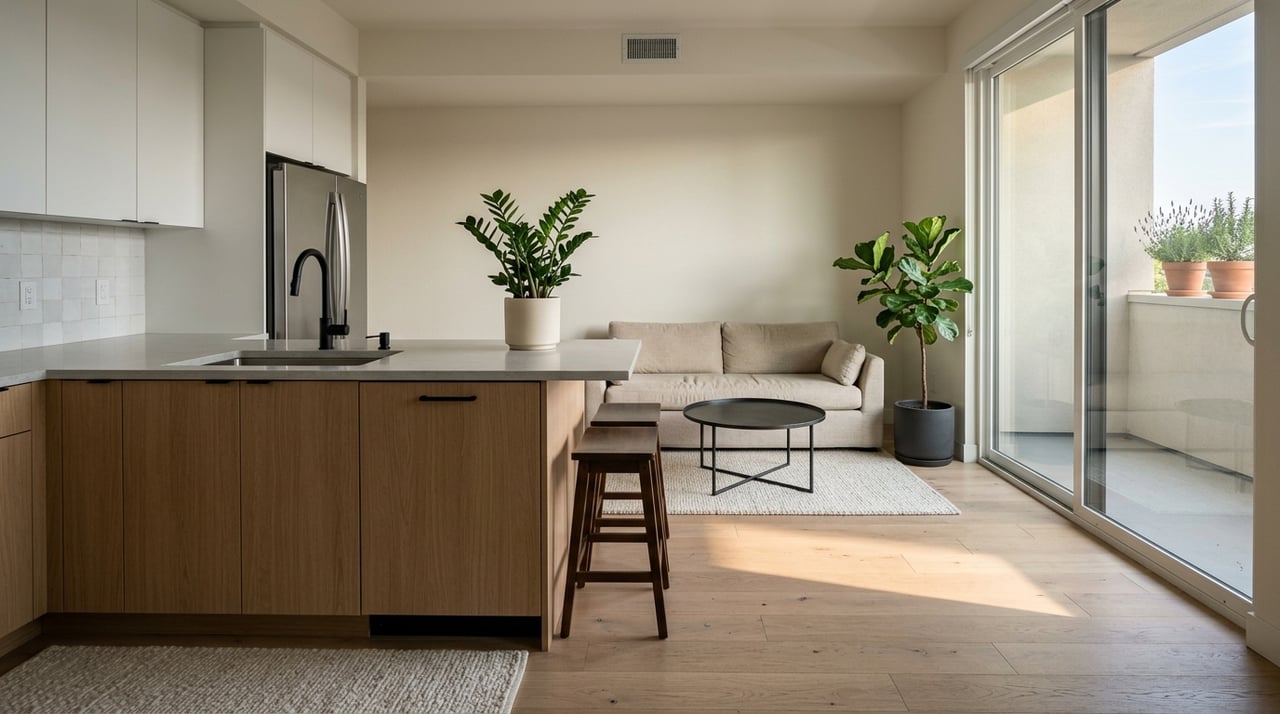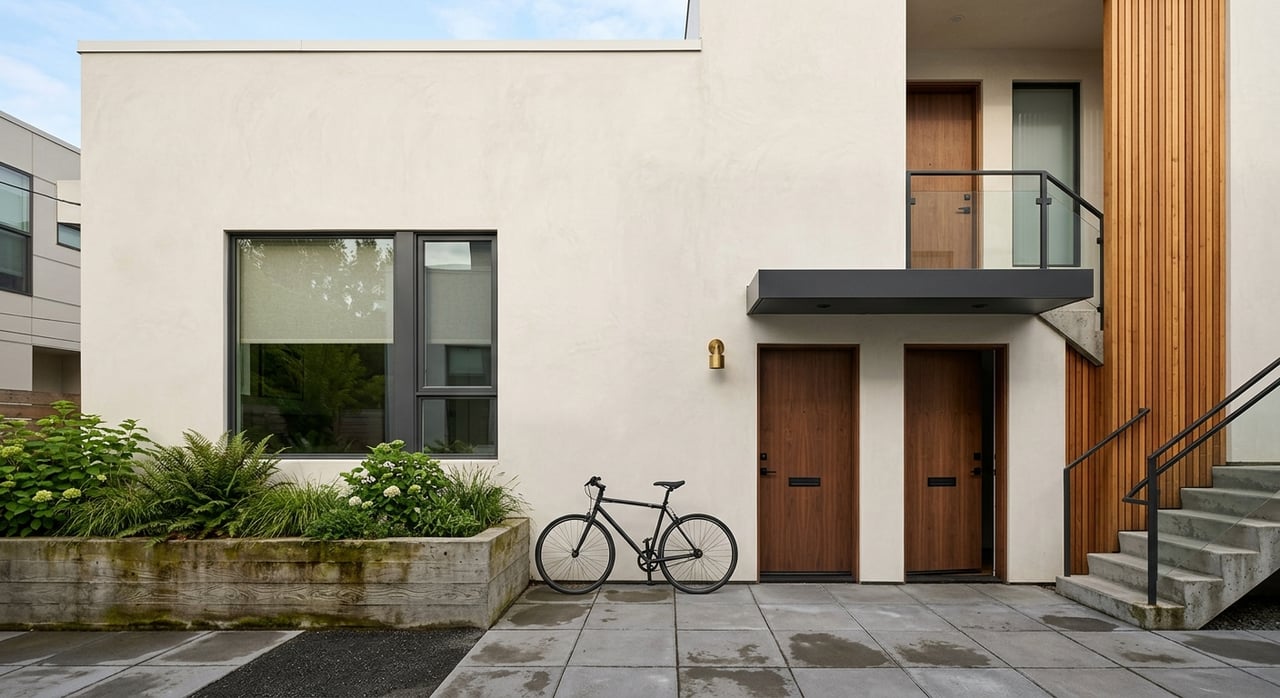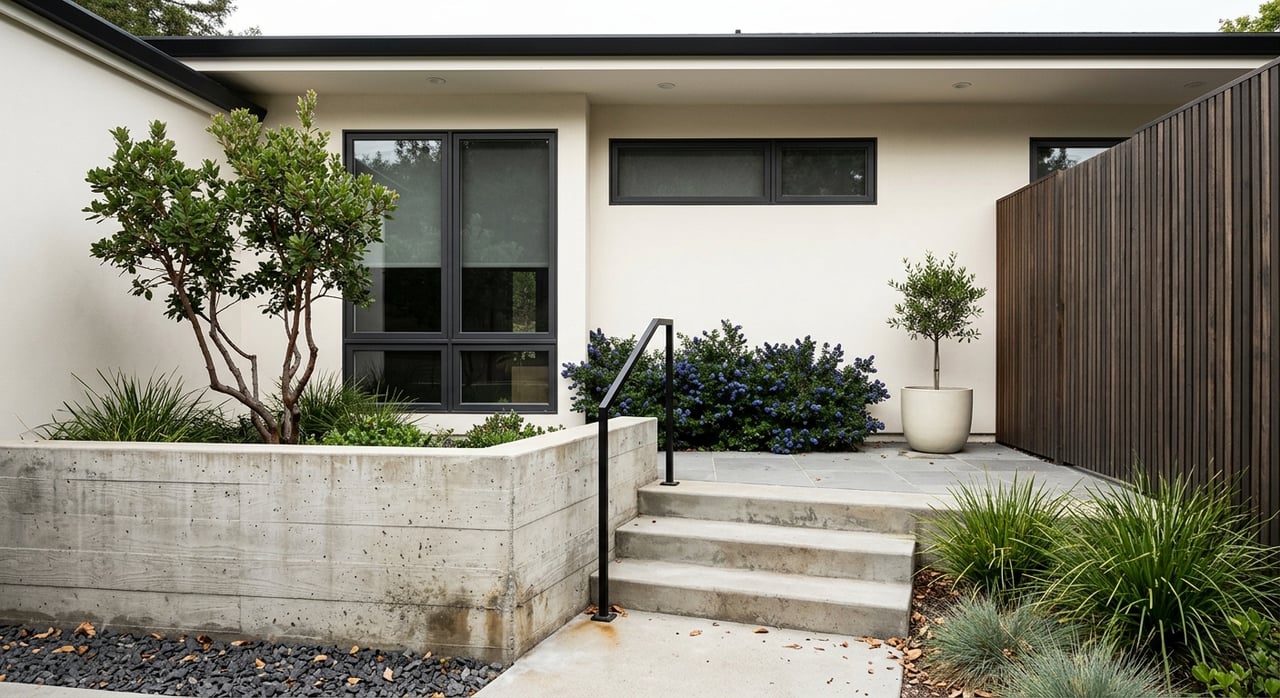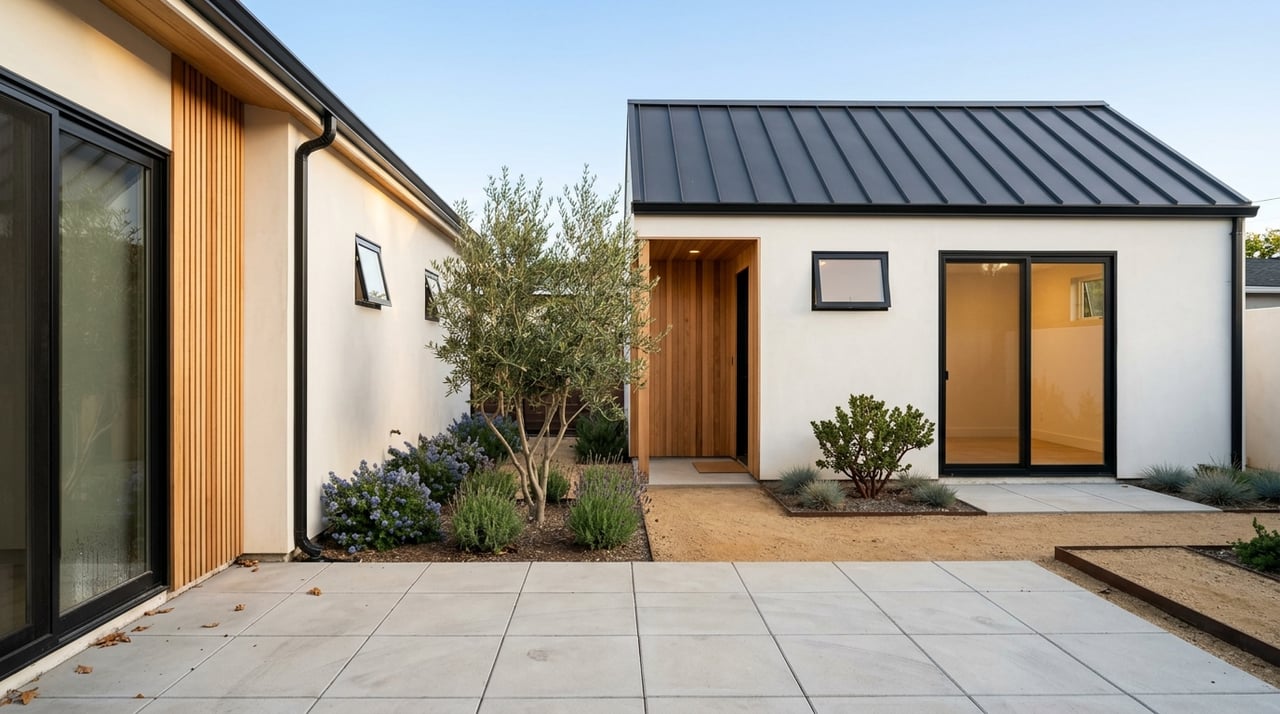
Thinking about adding an ADU in Redwood City? You are not alone. More homeowners are looking at backyard cottages, garage conversions, and in-home suites as practical ways to create space for family, support long-term housing needs, or add rental income. If you want to understand what options may fit your property and what neighborhood factors can shape the plan, this guide will walk you through the basics so you can move forward with more confidence. Let’s dive in.
What an ADU means in Redwood City
Redwood City defines an accessory dwelling unit, or ADU, as a smaller independent home with its own kitchen and bathroom. The city positions ADUs as a way to expand housing choices and support multigenerational living, which is one reason they have become such a popular topic for Peninsula homeowners.
The city also makes an important distinction about use. According to Redwood City’s ADU program page, new ADUs cannot be used exclusively as short-term rentals, so they are best viewed as a long-term housing or long-term rental strategy.
Common ADU types by property setup
Your best ADU option usually depends on the type of lot you own, where the available space is, and whether you want to build new or convert existing square footage. In Redwood City, that can look very different from one neighborhood block to the next.
Single-family lot options
On a single-family lot, Redwood City says you may have one ADU and one JADU on the same property as an existing or proposed single-family home. The city’s ADU handout also explains that ADUs may be detached, attached, or created within the existing home, while JADUs must be located within the single-family residence.
For many homeowners, the most practical paths are:
- Garage conversions if you already have a detached or attached garage
- Internal conversions using part of the existing home
- Attached additions that expand the main structure
- Detached backyard cottages for more privacy and separation
These options often work well because Redwood City’s rules are relatively conversion-friendly, especially when an existing structure can be reused.
Multifamily property options
If your property is multifamily, the rules can be more nuanced. The California Department of Housing and Community Development says local agencies must allow attached, detached, or converted ADUs on lots zoned for single-family or multifamily residential use with an existing or proposed dwelling, and the state’s ADU handbook outlines broader multifamily pathways.
That said, Redwood City’s public handout still summarizes an older multifamily rule set. For that reason, if you own a duplex, apartment building, or mixed-use property, it is smart to confirm the latest adopted city guidance before relying on a specific detached ADU count.
How neighborhood conditions affect ADU choices
Not every Redwood City lot will support the same ADU design with the same ease. Even when ADUs are broadly allowed, neighborhood and site conditions can shape what is realistic.
Flat lots and standard infill areas
On flatter lots in established residential areas, you may have more flexibility to consider a detached ADU, a garage conversion, or an attached addition. These properties often make it easier to work within setback rules and access the site during construction.
According to the city’s handout, detached ADUs generally require 4-foot side and rear setbacks, while front setbacks follow the underlying zoning district. Detached units are generally limited to 20 feet in height for flat roofs, plus 4 additional feet for pitched roofs.
Constrained, hillside, or infrastructure-sensitive lots
Some properties need a closer review before you settle on a concept. Redwood City notes that hillside conditions, bay mud conditions, wildfire interface concerns, utility sizing, fire-flow testing, and other infrastructure issues can affect project design and permitting.
That means a lot that looks large enough on paper may still require extra planning around foundation design, utility upgrades, or safety requirements. In these cases, it often makes sense to evaluate feasibility early, before spending too much on full design work.
Redwood City size rules to know
Size limits are one of the first questions most homeowners ask. Redwood City’s current handout says:
- Standard ADUs are capped at 850 square feet
- Larger ADUs with one or more bedrooms may go up to 1,000 square feet
- Accessible ADUs may go up to 1,200 square feet
- The second-story portion of a detached ADU is limited to 600 square feet
These numbers matter because they shape what type of layout is realistic. If you are deciding between a studio-style unit, a one-bedroom plan, or a more flexible design for family use, square footage rules can influence both comfort and cost.
Parking is often less of a hurdle
Many homeowners assume parking rules will stop an ADU project. In Redwood City, that is often not the case.
The city’s handout says no additional or replacement parking is required. State guidance from HCD’s ADU resources also explains that local parking requirements are limited and waived in several common situations, including some conversion projects and some transit-related circumstances.
For homeowners thinking about converting a garage, that can be a major relief. HCD also says demolished garage, carport, or covered parking spaces do not have to be replaced.
Permitting timeline and process basics
One reason ADUs have gained momentum is that the process is more streamlined than many people expect. At the state level, ADU applications are ministerial, which means they are reviewed without discretionary hearings.
HCD says completed ADU applications must be approved or denied within 60 days. It also notes that preapproved detached ADU plans can qualify for a 30-day approval window, and Redwood City says it is rolling out pre-reviewed ADU plans as part of that effort.
What Redwood City may require
Redwood City says homeowners must submit an ADU completeness checklist and building permit application through the city’s online permitting system. The city also notes that new detached ADUs require a fire-flow test during permit submittal.
Other practical requirements listed by the city include:
- Smoke and carbon monoxide protections
- One-hour separation from the main house
- Access to the electrical panel
- Access to heating equipment
These are not always deal-breakers, but they can affect design and construction costs. It is much easier to plan for them upfront than to discover them midway through the process.
Fees and cost-related points to watch
Fees are another area where homeowners want clarity early. Redwood City says ADUs under 750 square feet and all JADUs are exempt from the city’s traffic impact fee, although building fees and other case-specific charges may still apply.
The city also says homeowners must complete a brief ADU survey to finalize the building permit starting May 1, 2025. Because fee schedules and permit details can change, it is worth checking the latest city requirements before final budgeting.
Why Redwood City homeowners are building ADUs
For many homeowners, the appeal is not just extra square footage. It is flexibility.
Redwood City specifically highlights ADUs as a tool for housing variety and multigenerational living. In practice, that often means creating space for:
- An aging parent
- An adult child returning home
- A live-in caregiver
- Long-term rental income
- A more private guest or work-from-home setup
If you are weighing whether an ADU makes sense for your household, it helps to think beyond resale value alone. The real benefit is often how the space supports your life over time.
Redwood City already has ADU momentum
This is not a fringe trend in Redwood City. The city’s 2025 housing element progress report says Redwood City permitted 78 ADUs in 2023 and 49 ADUs in 2024, for an average of 63.5 per year.
That report also says the city is continuing efforts around pre-approved plans, homeowner tools, funding support, and flat-fee strategies. For homeowners, that momentum matters because it suggests ADUs are becoming a more established and understood part of the local housing landscape.
Helpful planning resources for Redwood City owners
If you are still in the early research phase, Redwood City points homeowners toward several resources that can help you evaluate feasibility, design, and financing. On the city’s ADU homeowner page, you can find links to the San Mateo County ADU Resource Center, detached ADU plans, financing guidance, grant resources, and home-sharing support.
These tools can be especially useful if you are comparing whether to build a detached unit, convert an existing structure, or take a phased approach based on budget.
How to evaluate your own property
Before you commit to a design, it helps to walk through a few key questions:
- What kind of lot do you have? Single-family and multifamily properties can follow different pathways.
- What space already exists? A garage or interior area may create a simpler conversion option.
- How much yard area and access do you have? This can influence detached ADU feasibility.
- Are there site constraints? Hillside conditions, utilities, or fire-flow requirements can affect costs.
- What is your real goal? Multigenerational living, long-term income, or future flexibility may point to different layouts.
This is where local guidance becomes valuable. A property with strong ADU potential is not always the largest lot. Often, it is the lot where zoning, access, utility setup, and your long-term goals line up in a practical way.
The right ADU strategy is property-specific
In Redwood City, many ADU projects are feasible, but the best option depends on the details. A garage conversion may make sense on one block, while a detached cottage or attached addition may be the better fit on another lot.
If you are buying, selling, or holding property in Redwood City and want to understand how ADU potential fits into value, layout, and long-term planning, working with a local team can help you look at the full picture. To talk through your property, your goals, and your next move, connect with Vision Real Estate.
FAQs
What ADU types are allowed on a single-family lot in Redwood City?
- Redwood City says a single-family lot can have one ADU and one JADU with an existing or proposed single-family home, and ADUs may be detached, attached, or within the home while JADUs must be inside the single-family residence.
What size can an ADU be in Redwood City?
- According to the city’s handout, standard ADUs can be up to 850 square feet, one-bedroom-or-more ADUs can be up to 1,000 square feet, accessible ADUs can be up to 1,200 square feet, and the second-story portion of a detached ADU is limited to 600 square feet.
What parking is required for a Redwood City ADU?
- Redwood City’s handout says no additional or replacement parking is required, and state ADU guidance also limits when local agencies can require parking.
What should Redwood City homeowners check before planning an ADU?
- You should confirm your lot type, setbacks, site conditions, utility needs, fire-flow requirements for detached units, current fee schedule, and the latest city rules before finalizing a design or budget.
Can a Redwood City ADU be used as a short-term rental?
- No. Redwood City says new ADUs cannot be used exclusively as short-term rentals, so they are better suited for long-term housing or long-term rental use.