If you are thinking about buying a small multifamily property in Redwood City, you are probably balancing two goals at once: finding a solid place to park your money and avoiding expensive surprises after closing. That is especially important here, where prices are high, many properties are older, and local rules can shape the numbers more than buyers expect. In this guide, you will learn what to look for, how to underwrite conservatively, and where local strategy matters most before you make an offer. Let’s dive in.
Why Redwood City Multifamily Stands Out
Redwood City offers a housing mix that makes small multifamily an important part of the local market. In 2020, the city’s housing stock included 6.0% multifamily with 2 to 4 units and 34.5% multifamily with 5 or more units. That means duplexes, triplexes, and fourplexes are a real part of the city’s housing fabric, even if they are not the dominant property type.
A big part of the story is age. The city says the largest share of housing stock was built from 1940 to 1959, and only 6.9% of current housing was built since 2010. For you as a buyer, that often means you are not shopping for a new asset. You are evaluating an older building that may have upside, but may also need meaningful repairs and updates.
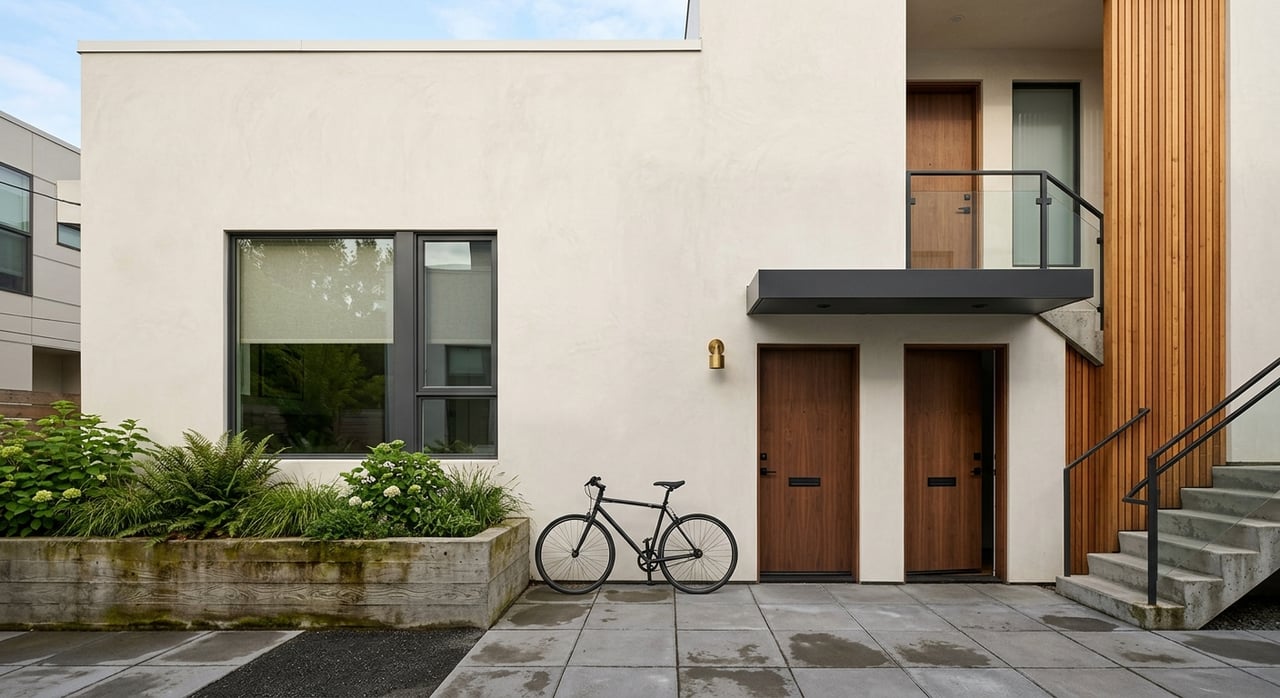
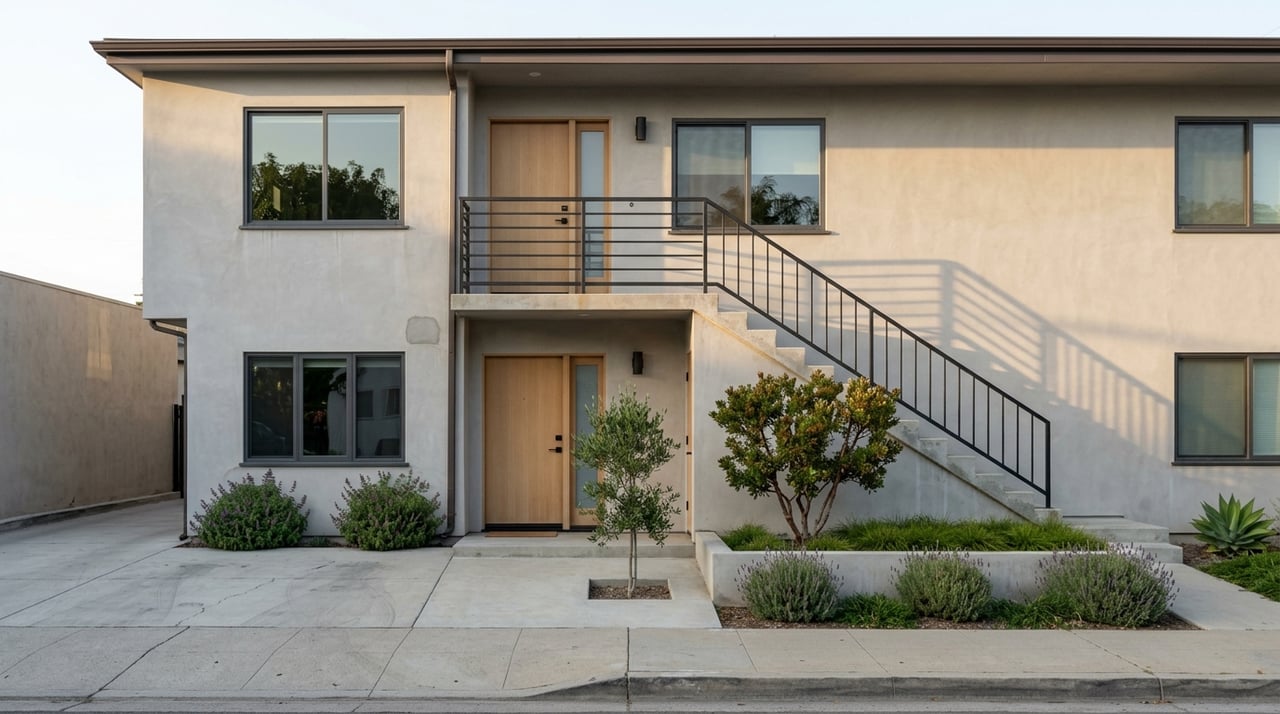
The city also identifies duplexes, triplexes, and fourplexes as part of its “missing middle” housing stock. These homes are found throughout older neighborhoods near transit and are shaped by local constraints like parking requirements and minimum open-space rules. In practical terms, that means layout and site usability matter a lot when you compare one property to another.
Understand the Return Profile First
One of the biggest mistakes buyers make is assuming a small multifamily property will automatically produce strong monthly cash flow. In Redwood City, the math often works differently. The city’s residential dashboard reports a median apartment rent of $2,899, while the city market page cited in the research shows a median sale price of $1,911,667 as of April 2026.
That spread between prices and rents means you should be careful about overestimating income. Debt service, property taxes, insurance, reserves, and maintenance can eat up a large share of gross rent. In many cases, a Redwood City duplex or fourplex behaves more like a high-equity, appreciation-focused asset than a high-yield income property.
This does not mean the purchase is a bad idea. It means your strategy needs to match the market. If you are buying for long-term wealth building, future flexibility, or owner-occupancy, the property may still make sense. But if you are expecting easy cash flow from day one, you need to run the numbers with discipline.
What to Inspect Closely
Because so much of Redwood City’s housing stock is older, inspections deserve extra attention. The city’s housing-age data points to rehabilitation as a real issue in the local market. That is why you should expect to review the big-ticket systems carefully before moving forward.
Focus on these areas early:
- Roof condition and remaining life
- Plumbing materials and leak history
- Electrical capacity and panel condition
- Foundation performance and visible cracking
- Drainage and site water management
These are not small line items. In an older duplex or fourplex, one deferred system can change your first-year budget quickly. A detail-forward review helps you separate a manageable value-add opportunity from a money pit.
Layout Matters More Than You Think
In Redwood City, a small multifamily property is not just about unit count. It is also about how the building works day to day for tenants, owners, and future maintenance. The city specifically points to parking and open-space rules as barriers for missing middle housing, which makes functional design even more important.
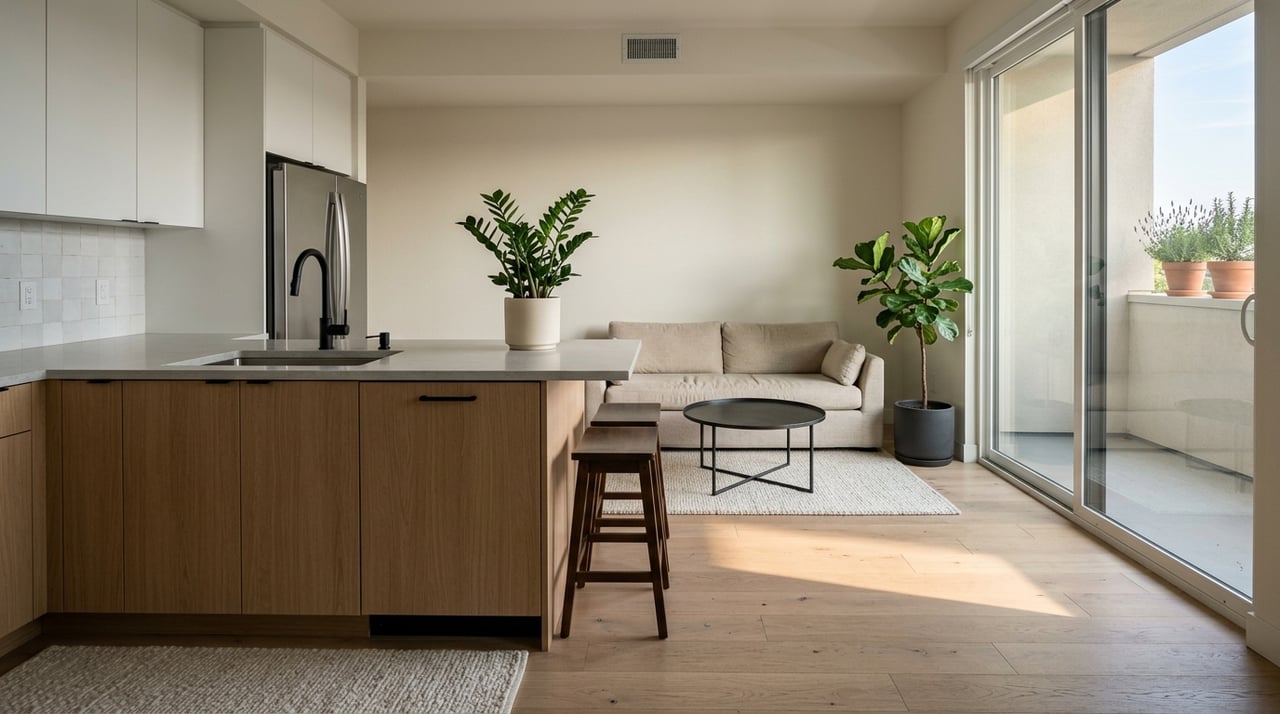
A property that is easy to live in and easy to maintain is often more valuable than one with a similar rent roll but awkward circulation or poor parking. You want to look at how people enter units, whether outdoor space is usable, how trash and storage are handled, and whether the site feels constrained. These practical details can affect leasing, turnover, and long-term resale appeal.
If you are considering a house-hack strategy, layout becomes even more important. Living in one unit while renting the others works best when there is clear separation, privacy, and a setup that feels comfortable for everyone. A building with better functionality may outperform a “cheaper” option that creates ongoing friction.
ADU Potential Can Change the Deal
For many Redwood City buyers, ADU potential is one of the most important value-add questions. The city allows ADUs in multifamily buildings, including conversion of uninhabited space for at least one ADU or up to 25% of units in a multifamily building. The city also allows up to two detached ADUs with 4-foot setbacks.
That creates real opportunity, but only if the site and building support it. A property with usable uninhabited space, favorable lot layout, or room for detached ADUs may offer a very different long-term return than a similar building without that flexibility. In a high-price market, that future optionality can matter.
Redwood City also says pre-reviewed ADU plans can shorten review to 30 days. Even so, site-specific planning issues, utility coordination, and school district fees may still apply. Before you buy based on a future ADU idea, make sure you confirm what is actually feasible for that specific property.
Underwrite Conservatively
If there is one rule for buying a small multifamily property in Redwood City, it is this: be conservative with your assumptions. Do not build your decision around best-case rents, perfect occupancy, or minimal repair costs. This market does not leave much room for loose underwriting.
A more careful pro forma should account for:
- Realistic market rent assumptions
- Vacancy and turnover risk
- Repair and capital reserve needs for older buildings
- Property taxes and insurance costs
- Ongoing maintenance and management expenses
- Local and state tenant protection rules
This is where many buyers benefit from a local, finance-literate advisor. The goal is not just to see whether the property “pencils.” The goal is to understand how resilient the deal is if repairs cost more, rents grow slowly, or regulations limit your flexibility.
Know the Local Tenant Rules
Redwood City adopted a Tenant Protection Ordinance effective January 1, 2026. According to the city, it includes minimum lease terms, just-cause eviction protections, and relocation assistance. These rules can affect how you evaluate an occupied property, especially if your business plan depends on changing tenancy or repositioning units.
The city FAQ says the minimum-lease rule applies to residential housing with three or more rental units and does not apply to single-family dwellings or duplexes. That creates an important difference between buying a duplex and buying a triplex or fourplex. The number of units is not just a financing or income question. It also affects how local rules may apply.
California’s Tenant Protection Act, AB 1482, also matters. The research report states that covered units are subject to annual rent increase limits of 5% plus CPI or 10%, whichever is lower. For you as a buyer, that means projected rent growth should be modeled carefully rather than assumed aggressively.
Why Owner-Occupied Duplexes Are Different
If you plan to live in one unit, Redwood City offers a meaningful distinction. The city FAQ says an owner-occupied duplex is exempt from the city’s minimum-lease-term ordinance if the owner lives in one unit at the beginning of the tenancy and continues to occupy it. That can make a duplex a very different strategy from a purely investor-owned 3+ unit building.
For some buyers, this opens the door to a more flexible entry point into multifamily ownership. You may be able to offset your housing cost, gain landlord experience gradually, and hold a property with long-term appreciation potential. In a market with high pricing, that can be an attractive path if the property’s layout and condition support owner occupancy.
It is still important to evaluate the deal carefully. Living on site does not eliminate maintenance risk or underwriting pressure. But it can change how the property fits your goals and how local rules affect your plan.
Build Your Team Early
In Redwood City, a small multifamily purchase can hinge on more than just price and rent. Zoning context, tenant protections, ADU feasibility, and the condition of an older building can all change the value of the opportunity. That is why bringing in the right professionals early is often worth it.
A local agent is especially helpful before you write an offer. The city notes that missing middle housing is concentrated in older neighborhoods zoned R-2 through R-5, so location and zoning context are part of the analysis. You are not just buying a building. You are buying a site, a rule set, and a future range of options.
A lender should also be involved early because the underwriting picture can shift once local rents, high prices, and tenant rules are factored in. For occupied buildings, a property manager or landlord attorney may also be important, particularly when relocation assistance and notice requirements come into play. If your value-add plan involves an ADU or conversion, checking permitability before closing is one of the smartest moves you can make.
A Smart Redwood City Buying Approach
The best small multifamily buyers in Redwood City stay disciplined. They look beyond the current rent roll, inspect carefully, and weigh future flexibility alongside today’s income. They also understand that in this market, preserving downside can be just as important as chasing upside.
At Vision Real Estate, that is how we approach these properties. We help clients look at the details that actually drive the decision, from layout and rehab scope to financing fit and ADU potential. If you are considering a duplex, triplex, or fourplex in Redwood City, connect with Vision Real Estate for practical, local guidance built around your goals.
FAQs
What makes buying a small multifamily property in Redwood City different from other markets?
- Redwood City combines high home prices, median apartment rent of $2,899, older housing stock, and local tenant rules, so buyers need to focus on conservative underwriting and property condition.
What should you inspect first when buying a Redwood City duplex or fourplex?
- Start with major systems like the roof, plumbing, electrical, foundation, and drainage, because much of the city’s housing stock was built decades ago.
How do tenant protection rules affect a Redwood City multifamily purchase?
- Redwood City’s Tenant Protection Ordinance applies minimum lease terms to residential housing with three or more rental units, and California AB 1482 may limit annual rent increases on covered units.
Why is an owner-occupied duplex in Redwood City worth considering?
- The city says an owner-occupied duplex can be exempt from the minimum-lease-term ordinance if you live in one unit at the start of the tenancy and continue to occupy it.
Can you add an ADU to a small multifamily property in Redwood City?
- Redwood City allows ADUs in multifamily buildings, including certain conversions of uninhabited space and up to two detached ADUs, but site-specific planning, utility coordination, and school district fees may still apply.